Helideck Drop Test
The Helideck Drop Test is a critical procedure conducted to evaluate the structural integrity and safety of a helipad or helideck. This test involves dropping a specified weight from a certain height onto the helideck surface to assess its ability to withstand impact forces and ensure it meets safety standards for helicopter operations.
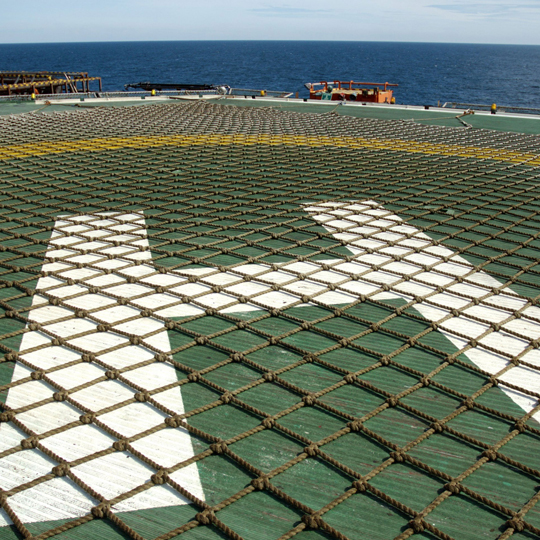
Helideck Drop Test
A helideck drop test is a safety procedure carried out to ensure the structural integrity and safety of the perimeter safety nets of the helideck. The ideal design should produce a ‘hammock’ effect which should securely contain a body falling, rolling or jumping into it, without serious injury. The test involves dropping a weight from a predetermined height onto the net to determine its integrity.
The procedure typically involves the following steps
Preparation: The helideck is thoroughly inspected, and any potential hazards or loose items are removed.
Test: A Load is elevated over a 1-metre height and dropped onto the net as dead weight to perform the test. As the load is dropped, the net ideally should produce a HAMMOCK effect to securely contain the load and prevent it from falling and/or rolling off.
Analysis and Compliance: he results of the helideck drop test are analyzed to determine whether the helideck perimeter safety nets meet safety standards and regulations.
Helideck drop tests are essential to guarantee the safety of personnel and equipment during helicopter operations, especially in challenging environments like offshore platforms or ships where helicopter landings are frequent. The tests are conducted periodically, especially after any modifications or repairs to the helideck. It’s important to note that specific regulations and guidelines may vary based on the jurisdiction and industry standards applicable to the helideck’s location.
Other Services We Offer
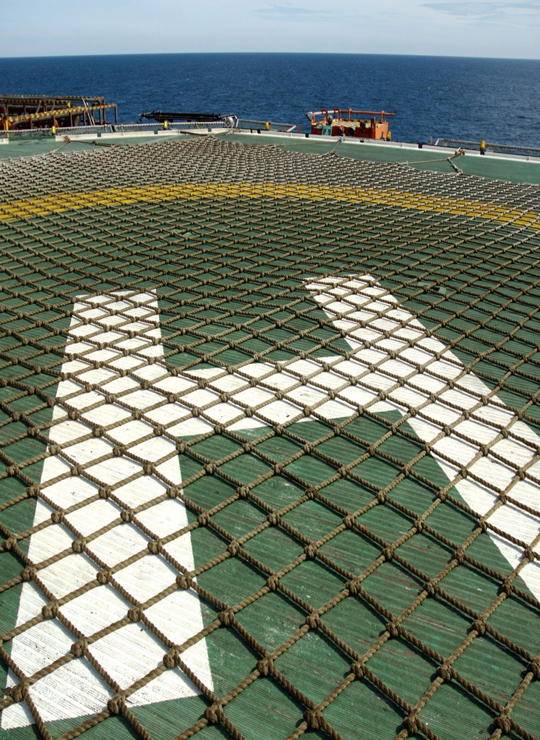
Friction Test
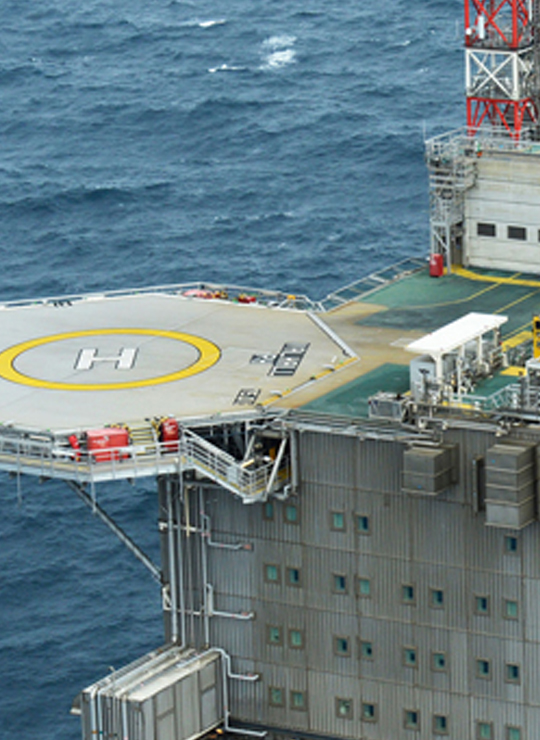
Inspection & Certification